
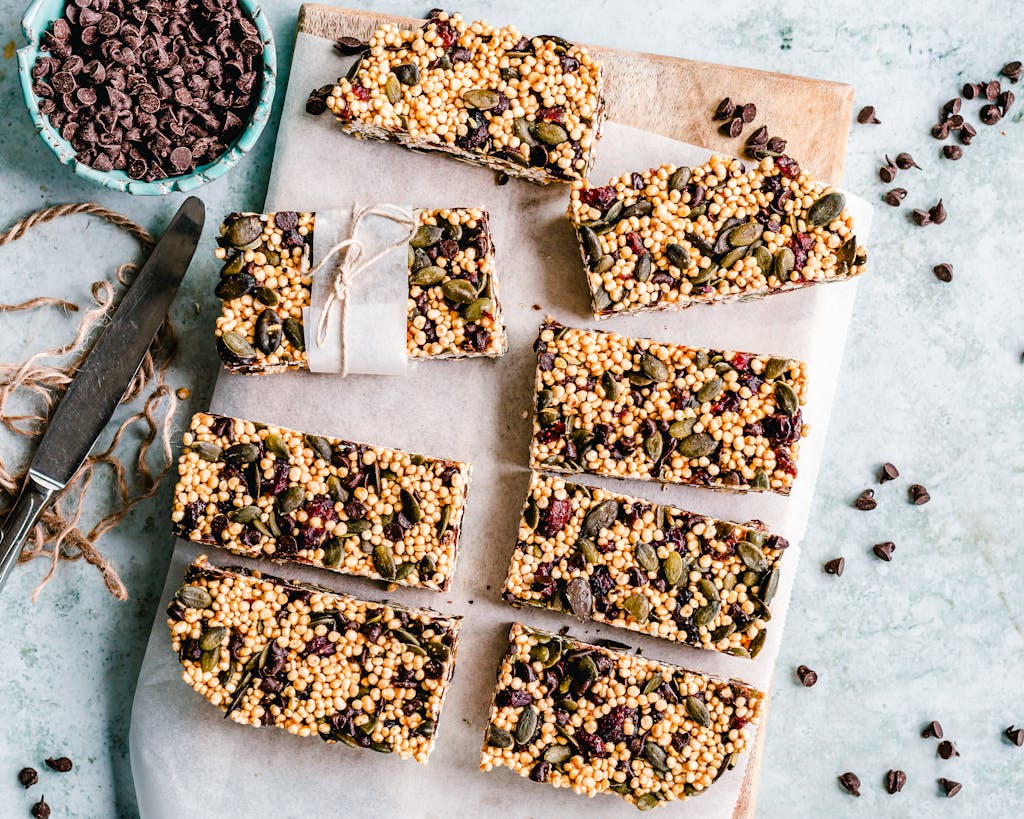
Protein bars are one of the most convenient supplements you can buy. No shaker, no powder, no mess — just unwrap and eat. But the protein bar market is also one of the most misleading in the entire supplement industry. Many bars are essentially confectionery with a protein claim slapped on the wrapper. This guide tells you exactly what separates a genuinely useful protein bar from an expensive snack, and which ones are actually worth buying in 2026.
What makes a protein bar worth buying?
A protein bar earns its place in your diet when it delivers a meaningful amount of protein without an excessive amount of sugar, in a format that is convenient and tastes good enough that you will actually eat it regularly. Simple in theory, harder to find in practice.
The bars worth buying share three characteristics. First, they deliver at least 20 grams of protein per bar. Second, they keep sugar below 10 grams per bar — ideally below 5 grams. Third, the protein comes primarily from quality sources like whey, milk protein, or a complete plant blend rather than cheap collagen or gelatin, which have poor amino acid profiles despite technically being proteins.
How much protein should a bar actually contain?
This is where many bars fall short. Walk through a supermarket and you will see bars labelled as “high protein” that contain just 8 or 10 grams of protein per bar. For context, a single egg contains 6 grams. A bar needs to deliver at least 15 to 20 grams of protein to meaningfully contribute to your daily intake. Anything less is just a snack.
Check the protein per 100 grams as well as per bar. Some bars are small enough that a seemingly decent per-bar number actually represents a fairly protein-light product. A good protein bar should deliver at least 25 to 30 grams of protein per 100 grams of product.
Sugar alcohols, sweeteners, and what to avoid
Most protein bars use sugar alcohols like maltitol, sorbitol, or xylitol to add sweetness without sugar. These are generally safe but can cause significant digestive discomfort — bloating, gas, and in larger quantities a laxative effect — in some people. If you have a sensitive stomach, look for bars sweetened with stevia or erythritol instead, which tend to be better tolerated.
Avoid bars where the first few ingredients are syrup, sugar, or glucose. Some bars use a chocolate or yoghurt coating that adds significant sugar to what would otherwise be a reasonable product — always check the full nutrition panel, not just the front of pack claim.
Collagen protein is a common cheap filler in lower quality bars. It is an incomplete protein that lacks tryptophan, one of the essential amino acids. Manufacturers use it because it is inexpensive and adds to the protein count on the label without providing the nutritional benefits of a complete protein. If collagen is listed as a primary protein source, look elsewhere.
Meal replacement vs snack bar — which do you need?
This depends entirely on how you plan to use it. A snack bar is designed to bridge the gap between meals — delivering 15 to 20 grams of protein and around 200 calories to keep hunger at bay and top up your protein intake. Quest Bars and Grenade Carb Killa are the classic examples.
A meal replacement bar is larger, higher in calories (typically 300 to 400), and designed to stand in for a full meal when time is short. These make sense for busy people who regularly skip meals, but they are not superior for muscle building or weight loss compared to eating real food.
For most people, a snack-style bar in the 200 to 250 calorie range with 20 grams of protein is the most useful and versatile option.
Are expensive protein bars worth it?
Not always. Some of the best performing bars in terms of nutrition are also among the most affordable. That said, the cheapest bars often compromise on taste or use lower quality protein sources. The sweet spot is the mid-range — bars priced between €2 and €3.50 each that use quality protein sources and taste good enough to eat daily without feeling like a chore.
Buying in bulk boxes of 12 or more almost always saves significant money per bar compared to single purchases. If you find a bar you like, buying a box is almost always the smarter financial decision.
Best protein bars in 2026 — our top picks
1. Quest Protein Bar — Best overall
Quest bars are the gold standard for good reason. Each bar delivers 20 to 21 grams of protein using milk protein isolate and whey protein isolate — both high quality complete proteins. Sugar is kept to just 1 gram through the use of erythritol and stevia, and the fibre content is high enough to keep you full. The Cookie Dough and Chocolate Chip Cookie Dough flavours are genuinely exceptional.
Rating: 4.7/5 [Check the latest price on Amazon → https://amzn.to/4wqJa0L]
2. Grenade Carb Killa — Best tasting bar in Europe
Grenade Carb Killa has built a cult following in Europe for one simple reason — it tastes like a proper chocolate bar. White Chocolate Cookie and Cookies and Cream are almost indistinguishable from confectionery. Each bar delivers 23 grams of protein with just 2 grams of sugar. Widely available in supermarkets and gyms across the Netherlands and wider Europe.
Rating: 4.6/5 [Check the latest price on Amazon → https://amzn.to/4d48IJq]
3. RXBAR — Best clean ingredient profile
RXBAR is one of the most minimal ingredient protein bar options available on Amazon, designed for people who prioritize whole foods over heavily processed formulas.
Each bar typically contains around 12g of protein and is made with simple whole-food ingredients such as egg whites, dates, and nuts, without any artificial sweeteners, flavors, or preservatives.
Rating: 4.5/5 [Check the latest price on Amazon → https://amzn.to/4fjmlpq]
4. Fulfil Vitamin and Protein Bar — Best for micronutrients
Fulfil adds 9 vitamins to their bars alongside 20 grams of protein, making them a genuinely useful option for people with busy lifestyles who struggle to get micronutrients from food alone. Widely available in Dutch supermarkets including Albert Heijn. Slightly higher in sugar than Quest or Grenade but still well within acceptable limits.
Rating: 4.3/5 [Check the latest price on Amazon → https://amzn.to/4fj9kwb]
Frequently asked questions
Can I eat a protein bar every day? Yes, a quality protein bar every day is perfectly fine as part of a balanced diet. They are a convenient way to hit protein targets and most contain ingredients that are no more processed than other everyday foods. Variety is important though — relying solely on bars for protein is not ideal long term.
Are protein bars good for weight loss? They can be. A high protein, low sugar bar used as a snack replacement for crisps or chocolate is an effective way to reduce calorie intake while keeping protein high, which helps preserve muscle during a calorie deficit. The key is using them as a replacement, not an addition to your existing diet.
Do protein bars expire? Yes. Most bars have a shelf life of 6 to 12 months. Buying in bulk is cost effective but only sensible if you will consume them before the best before date. Check the date on the box before purchasing large quantities.
Are protein bars suitable for vegetarians and vegans? Most mainstream bars use dairy-derived proteins and are suitable for vegetarians but not vegans. Vegan protein bars are a growing category — MyProtein, Bulk, and Fulfil all offer vegan options, though the protein content is typically slightly lower than dairy-based bars.