
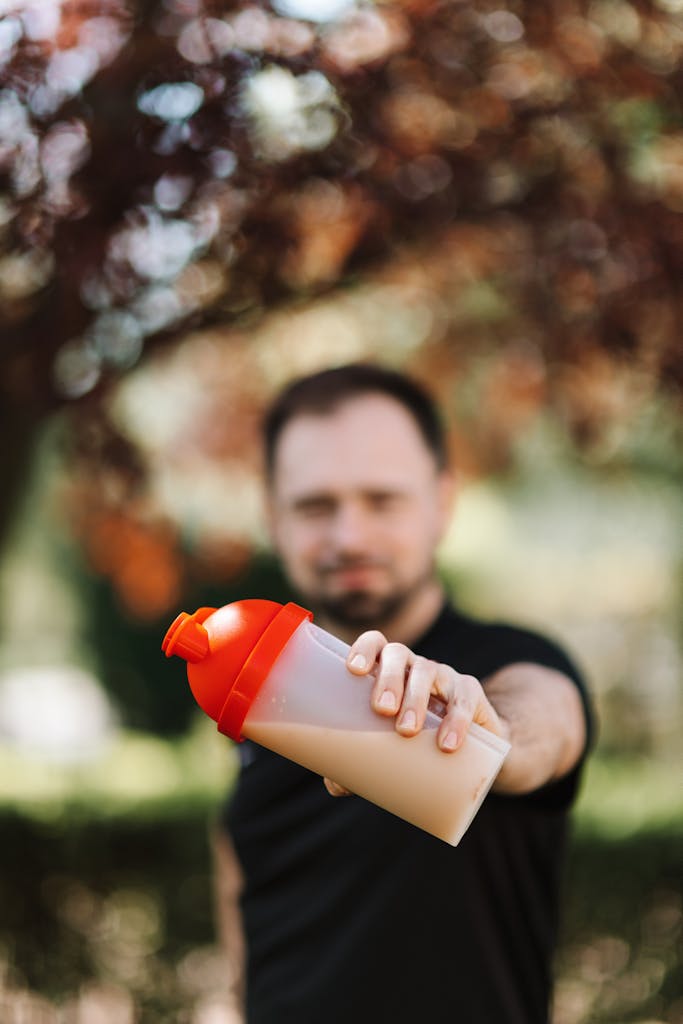
Choosing the right whey protein should be simple. But walk into any supplement store or browse online and you are immediately hit with hundreds of options, all making bold claims about muscle growth, recovery, and performance. This guide cuts through the marketing noise and tells you exactly what matters, what to ignore, and which products are genuinely worth your money in 2026.
What is whey protein and where does it come from?
Whey is a byproduct of cheese production. When milk is curdled to make cheese, it separates into two parts — solid curds and liquid whey. That liquid whey is then filtered, processed, and dried into the powder you find in tubs on supplement shelves. It is a complete protein, meaning it contains all nine essential amino acids your body cannot produce on its own. This makes it one of the most effective and well-researched protein supplements available.
How much protein do you actually need per day?
The most commonly cited figure is 1.6 to 2.2 grams of protein per kilogram of bodyweight per day for people who train regularly. For a 75kg person that is roughly 120 to 165 grams of protein daily. Most people struggle to hit this through food alone — which is where a protein powder fills the gap conveniently and affordably. One scoop of a quality whey powder typically delivers 20 to 25 grams of protein, making it an easy way to top up after a workout or between meals.
Whey concentrate vs isolate vs hydrolysate — what is the difference?
This is where most buyers get confused. Here is the simple breakdown:
Whey concentrate is the least processed form. It contains roughly 70 to 80 percent protein by weight, with the remainder being carbohydrates, fats, and lactose. It is the most affordable option and tastes the best due to its higher fat content. For most people this is the ideal choice.
Whey isolate goes through additional filtering to remove most of the fat and lactose, leaving a powder that is 90 percent or more protein by weight. It is better for people who are lactose intolerant, those cutting calories, or athletes who want a leaner supplement. It costs more but delivers a slightly higher protein hit per gram.
Whey hydrolysate is pre-digested, meaning the protein chains are partially broken down for faster absorption. It is the most expensive form and the research on whether this speed advantage actually matters for most gym-goers is mixed. Unless you are a competitive athlete with very specific recovery demands, hydrolysate is rarely worth the premium.
What to look for on the label before you buy
The supplement industry is poorly regulated, which means labels can be misleading. Here is what to check:
Protein per serving — look for at least 20 grams per 30 gram scoop. If the ratio is lower, the powder is likely padded with cheap fillers like maltodextrin.
Ingredients list — whey protein should be the first ingredient. If you see sugar or a long list of unrecognisable additives near the top, put it back.
Amino acid profile — specifically look for leucine content. Leucine is the amino acid most responsible for triggering muscle protein synthesis. A good whey should contain at least 2 to 2.5 grams of leucine per serving.
Third party testing — look for certifications from Informed Sport or NSF Certified for Sport. These mean the product has been independently tested for banned substances and label accuracy.
Serving size tricks — some brands inflate their scoop size to make protein numbers look impressive. Always check grams of protein per 100 grams of powder, not just per serving.
How much should you spend on whey protein?
You do not need to spend a fortune. In Europe, a good quality whey concentrate should cost between €20 and €35 for a 1kg bag, delivering roughly 30 to 33 servings. That works out to less than €1 per serving. Anything significantly more expensive is usually paying for branding and marketing rather than better protein. The sweet spot for quality and value is the mid-range — brands like MyProtein, Bulk, and Optimum Nutrition consistently deliver solid products at fair prices.
Best whey protein powders in 2026 — our top picks
1. MyProtein Impact Whey — Best overall value
MyProtein Impact Whey is the benchmark for affordable, reliable whey protein. At around €22 per kg it delivers 21 grams of protein per serving with minimal fillers and a huge range of flavours. The chocolate smooth and salted caramel flavours in particular are genuinely good. Informed Sport certified.
Rating: 4.8/5 [Check the latest price on Amazon→https://amzn.to/4dlhrG6]
2. Optimum Nutrition Gold Standard Whey — Best premium option
Gold Standard has been the industry benchmark for decades for good reason. It uses a blend of whey isolate and concentrate, delivers 24 grams of protein per serving, and has an excellent amino acid profile. More expensive than MyProtein but the quality and consistency are hard to fault.
Rating: 4.7/5 [Check the latest price on Amazon →https://amzn.to/4wtb3Fn]
3. Transparent Labs Grass-Fed Whey Protein Isolate — Best clean label isolate
Transparent Labs Grass-Fed Whey Protein Isolate is a premium, naturally flavored protein powder designed for users who prioritize ingredient transparency and high protein purity. Each serving provides 28 grams of protein along with a full profile of 9 essential amino acids, making it a strong option for muscle recovery and lean muscle development.
It is gluten-free and uses grass-fed whey isolate, which typically means higher-quality sourcing and fewer unnecessary additives compared to many mainstream blends. The French Vanilla flavor is lightly sweetened and designed to avoid the overly artificial taste found in many flavored proteins.
While it is more expensive than budget options, it is best suited for users who want a clean-label, high-protein isolate with minimal ingredients and strong nutritional density.
Rating: 4.6/5 [Check the latest price on Amazon →https://amzn.to/4u8xDSb]
4. PhD Nutrition Diet Whey — Best for weight management
PhD Diet Whey adds CLA, green tea extract, and flaxseed to a solid whey base, making it a popular choice for people looking to lose fat while maintaining muscle. Slightly lower protein per serving than pure whey but the added ingredients justify the slightly higher price for the right buyer.
Rating: 4.3/5 [Check the latest price on Amazon → https://amzn.to/3Rll5bs]
Frequently asked questions
Is whey protein safe? Yes, for the vast majority of people whey protein is completely safe. It is simply a food-derived protein. People with dairy allergies or severe lactose intolerance should opt for whey isolate or a plant-based alternative.
Can women take whey protein? Absolutely. Whey protein is not a hormone and will not cause women to bulk up. It is simply a convenient way to meet daily protein targets, which is equally important for women who train regularly.
When is the best time to take whey protein? The old idea of a strict 30-minute post-workout window has largely been debunked. Total daily protein intake matters far more than timing. That said, a post-workout shake is a convenient habit that works well for most people.
How long does a 1kg bag last? At one scoop per day, a 1kg bag typically provides 30 to 33 servings — roughly one month of daily use.